 Base
Base Unichain
 Robinhood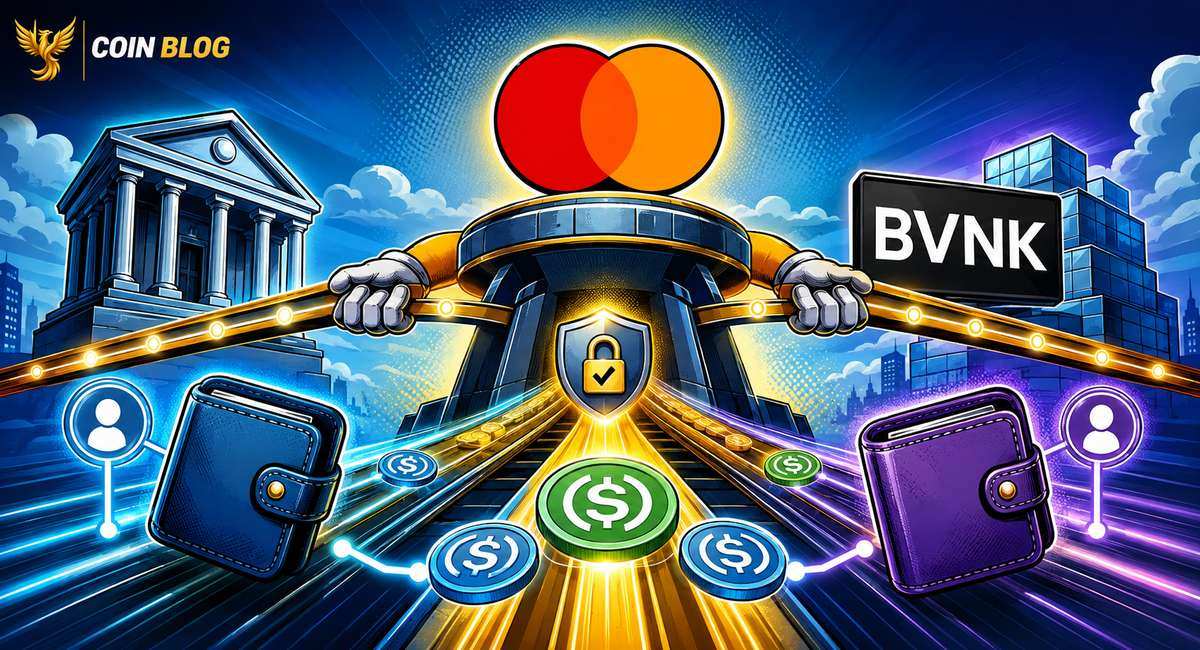
Mastercard completed its $1.8 billion acquisition of BVNK. The company provides infrastructure connecting bank money, wallets and stablecoins for payments, payouts, settlement and treasury operations. BVNK said customers would continue using the same teams, products and integrations without taking action. Mastercard gains technology, difficult-to-obtain licenses and access to a network serving more than 130 countries.
The strategic point is that the card network is not trying to defeat stablecoins through prohibition. It is buying the layer through which digital dollars enter and leave the banking system. Control of routing may be more valuable than issuing a proprietary token because fees and data remain with the infrastructure provider regardless of which stablecoin a client selects.
For banks, BVNK can shorten the path to wallets and round-the-clock settlement. Integration also raises neutrality questions. Will Mastercard support competing chains and issuers on equal terms, or direct volume toward partners with stronger commercial arrangements? Responsibility for sanctions screening, failed payments and token freezes also needs to be clearly divided.
The second-order effect reaches Visa, banks and independent fintechs. They must decide whether to build their own stablecoin stack, acquire a competitor or rent infrastructure from a card network. Watch the first post-closing products, pricing, supported chains and whether BVNK receives preferred integration across Mastercard services. The acquisition does not prove that stablecoin demand is already universal. It does show that Mastercard believes owning the bridge is important before that volume becomes mainstream. In payment networks, the winning asset may change, but the company controlling compliance, conversion and distribution can continue collecting value from every route.