 Base
Base Unichain
 Robinhood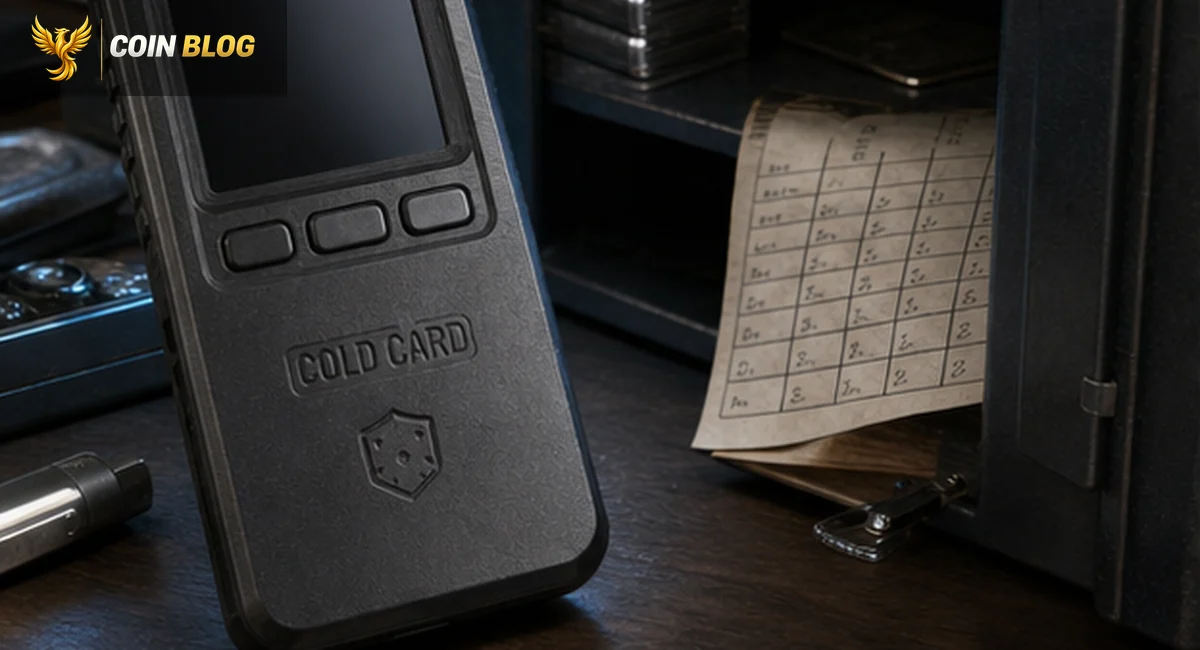
Coinkite warned Coldcard Mk3 users about a potential risk affecting seed phrases generated on certain firmware versions. Industry reports connected the warning to analysis of a large Bitcoin sweep from an older wallet, while the company said its investigation was continuing.
The main lesson is not panic. It is operational reality. A hardware wallet reduces dependence on exchanges, but it does not make self-custody automatically safe. If a seed was generated in a vulnerable way, later using a newer device may not fix the original seed problem.
Coinkite urged affected users to move funds to a new seed generated on an unaffected device, after verifying the backup and receiving address. The sequence is boring but critical: restore check, small test transaction, then move the main balance.
For the market, the news is uncomfortable. Bitcoin self-custody is built on the idea that users do not need to trust a custodian. But that means key generation, firmware quality, backups and user procedures become the security perimeter.
The takeaway is blunt. Self-custody is not easier than using a custodian. It simply moves responsibility from a company to the user.