 Base
Base Unichain
 Robinhood
Bitdeer signed a 16-year AI infrastructure agreement for its Tydal campus in Norway, representing about $4.7 billion of contracted revenue. The site is expected to provide 121 megawatts of IT load for Nvidia GPU workloads, while an eight-year extension could lift the potential contract value to $8 billion. Tenant obligations are expected to be supported by roughly $1.3 billion of letters of credit. Bitdeer still estimates about $500 million of capital expenditure and plans to raise additional debt.
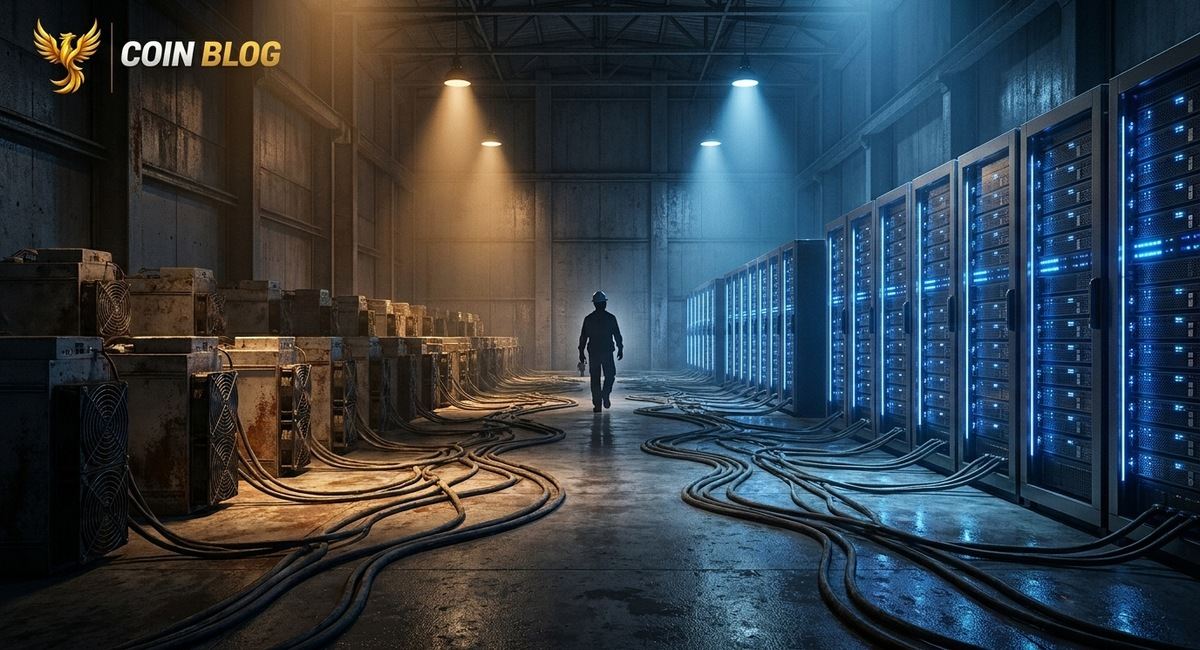
At first glance, this is a miner finding a higher-paying customer for electricity. The deeper change is that Bitdeer's main product is becoming neither Bitcoin nor GPUs, but long-duration access to power, grid connections, land and cooling in a renewable-energy location. Those physical inputs have become scarce assets for AI laboratories that can buy chips but cannot instantly build an efficient campus.
The headline contract value is not guaranteed profit. The agreement has closing conditions, construction milestones and a tenant termination right after ten years. The expected margin is also a company estimate rather than realized cash flow. Equipment delays, financing costs, construction inflation or weaker compute demand could materially change the economics before both phases are operating.
The second-order effect reaches the mining industry. Operators that control powered sites will compare hash-rate returns with AI colocation prices instead of simply waiting for the next Bitcoin cycle. If more capacity moves toward AI, mining supply can tighten in selected regions while the price of suitable grid access rises for everyone else. Watch whether the lease becomes effective, how the debt package is structured, whether both phases start on schedule and whether Tydal produces durable cash flow rather than only a large multi-year contract headline.