 Base
Base Unichain
 Robinhood
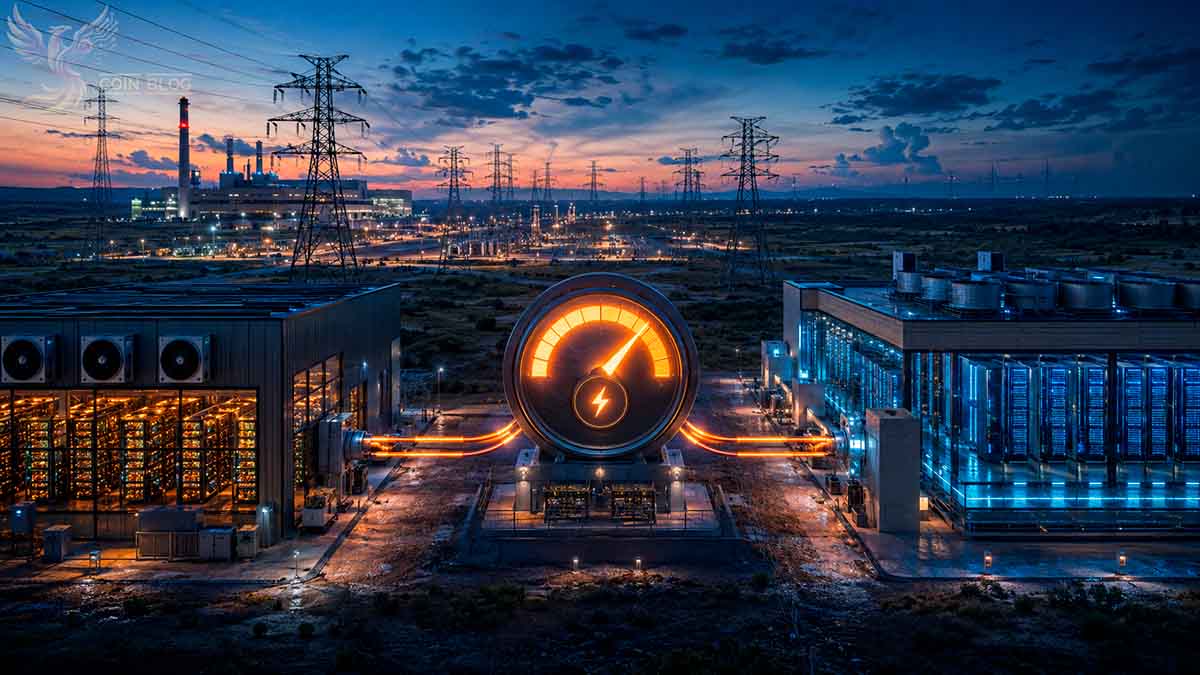
Texas Governor Greg Abbott ordered an audit of data center projects seeking connections to the ERCOT power system. Applicants must disclose expected electricity and water consumption, public incentives, self-generation plans and measures to limit community impact. Projects that fail state, PUCT or ERCOT requirements can be denied grid access. The action also slowed Batch Zero, the new process designed to evaluate large loads together instead of one application at a time.
For Bitcoin miners, this is not merely an AI regulation story. Mining companies spent years accumulating land, substations and power agreements, and those assets now compete with data centers for the same scarce resource. Bernstein analysts argue that already-approved contracts should remain largely protected while speculative future pipelines become less credible.
That creates a paradox. Restrictions can hurt companies advertising enormous megawatt pipelines without final interconnection rights, but they can increase the value of campuses that already have firm approvals. Investors will have to distinguish between announced capacity and capacity that can actually be energized on a known date.
The risk to residents also remains unresolved. Even an audited data center can influence electricity prices, water use and transmission construction if cost allocation is unclear. The details to watch are the audit criteria, the fate of Batch Zero and who pays for new substations and lines. For mining investors, the most important question is straightforward: which operators control connected power, and which ones are selling a story about future access that Texas may no longer provide? This policy could make grid documentation more valuable than a company's headline hash-rate plan.