
 Base
Base Unichain
 Robinhood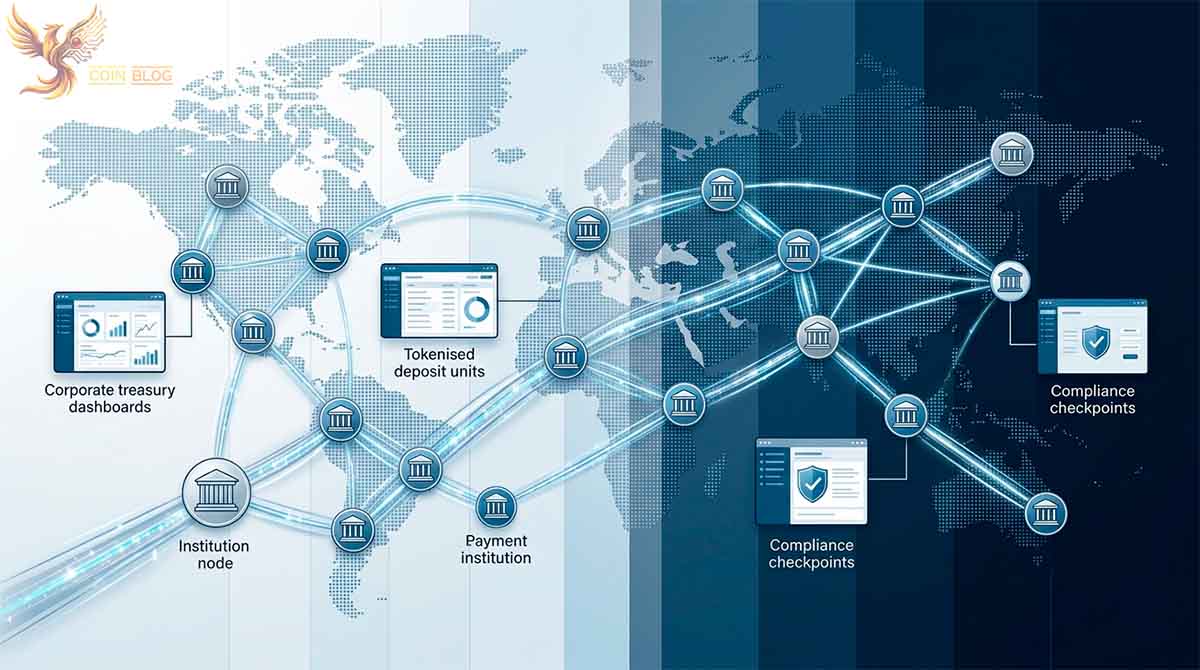
Swift says its blockchain-based ledger is ready for initial use, with 17 banks from six continents preparing to test live cross-border payments using tokenised deposits.
The first use case is not public crypto rails, but regulated bank money moving with 24/7 availability inside Swift’s existing network.
This matters because tokenisation is moving from experiments around assets to the cash leg of settlement. If banks can move tokenised deposits across borders without waiting for traditional cut-off times, treasury teams may treat digital money as operating infrastructure, not a crypto side project.
The second-order risk is interoperability: a bank-led ledger still has to connect cleanly with domestic payment systems, compliance checks and existing liquidity processes.
Next, watch which banks move from pilot transactions to repeat corporate payment flows.